


Understanding Meibomian Gland Dysfunction
Do your eyes itch, burn, sting, or look red? Does it feel like something is stuck in your eye? If you’ve tried over-the-counter solutions without any relief, you may have a condition called Meibomian Gland Dysfunction, or MGD. This condition is the leading cause of Dry Eye Syndrome.
Dr. Robert Levy sees patients from all over the Burlington area who have Meibomian Gland Dysfunction. If you have MGD contact Dr.'s Eyecare Dry Eye Center, we can help. Let us provide you with the long-term relief you need.
What Do The Meibomian Glands Do?
Your meibomian glands control an oily substance called meibum. It combines with other substances in the eye area to create a thin film that consistently lubricates your eyes. Meibum is an essential part of your eye’s makeup because it prevents the evaporation of the eye’s tear film.
Meibomian Gland Dysfunction stops meibum from naturally being released, which makes the tear film evaporate faster. When this happens, your eyes can feel dry and uncomfortable.


What Is Meibomian Gland Dysfunction?
Tears are more than just fluid in the eye. They have a chemical makeup comprised of water, enzymes, proteins, and oils. Your meibomian glands, located by your eyelashes in the upper and lower eyelids, naturally secrete these oils, which act as a protective shell to keep the tear film on your eye. It lubricates and coats your eyes, keeping them moist and comfortable. Sometimes, the meibomian glands can become clogged, and when that happens, the oil can’t moisturize your eyes. This is known as Meibomian Gland Dysfunction.
In addition to the meibomian glands, excessive screen time has been linked to the development of MGD. That’s because when you stare at a screen on your TV, smartphone, computer or tablet, you blink less. Blinking naturally moisturizes your eyes, and it can also clear any small particles that may accidentally get into your eye. A reduced amount of blinking can make your eyes feel more dry or itchy, increasing the discomfort.
What Are The Symptoms Of Meibomian Gland Dysfunction?
Meibomian Gland Dysfunction causes some uncomfortable reactions. Depending on your specific case, your symptoms may be mild or severe, quick or long-lasting.
Meibomian Gland Dysfunction causes some uncomfortable reactions. Depending on your specific case, your symptoms may be mild or severe, quick or long-lasting.
During the summer or winter months, your symptoms may intensify. This happens when air conditioning or heating systems are often in use. Being in the direct path of cold or hot air can increase the dryness, pain, or itchiness. Climates with humidity and high winds can cause the same results.
If left untreated, your meibomian glands can stop functioning completely, causing even more symptoms and long-term discomfort. That’s why it’s important to seek treatment as soon as possible.


Treatment For Meibomian Gland Dysfunction
Treatment for Meibomian Gland Dysfunction typically involves a few methods. Dr. Robert Levy usually suggests applying warm compresses over your eyelids as a first course of action. These can gently open the clogged glands and loosen the oil that may have accumulated. Warm compresses can give you temporary relief, but this does not alleviate the discomfort for long. Too much use can cause excessive pressure on the eye areas, as well.
Antibacterial and anti-inflammatory medicated eye drops may relieve some of the symptoms of Meibomian Gland Dysfunction, such as redness and swelling. Talk to your eye doctor about whether this is an option for you.
Medical Technologies For Meibomian Gland Dysfunction
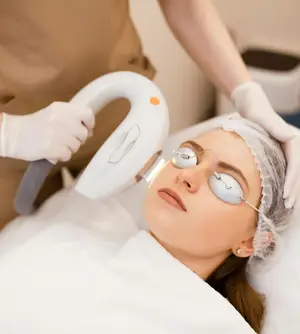
Heats the skin around the eye area and dislodges the oil buildup. This treatment directly targets the source – the blood vessels which surround the glands. Once this happens, the glands can once again secrete the oils naturally, resuming their moisturizing effects.
Device applies warmth and gentle pressure directly to the meibomian glands, liquefying the blockage. The doctor is then able to remove it from the area, flushing out any dead cells, leaving your glands clear and comfortable.
A medical device that captures high-definition images of the meibomian glands. Both lower eyelids can be completed in 60 seconds for a quick and effective imaging process. This gives the eye doctor a close view of your meibomian glands, allowing for a faster and more accurate diagnosis
A 3-in-1 medical device that measures the level of saltiness in your tears. The doctor takes a tiny sample of your tear fluid, which takes less than 30 seconds to collect. This allows for a quick and painless procedure.
A heated compress that sits over your eyes, almost like a large, soft beauty mask. Inside each side of the mask are tiny beads that are warmed and release gentle heat. This heat opens the oil glands and helps restore the oil secretion back into the eyes.
Schedule Your Dry Eye Evaluation
Meibomian Gland Dysfunction can worsen over time if left untreated, leading to chronic dry eye symptoms and discomfort. At Dr.’s Eyecare Center, our eye doctors offer advanced evaluations and targeted treatment options to restore tear function and improve eye comfort. Schedule an appointment today to take control of your dry eye symptoms and protect your long-term eye health.