Cataracts are a common age-related condition that causes the eye's natural lens to become cloudy, leading to blurred vision and difficulty seeing clearly. Understanding the symptoms, risk factors, and modern treatment options is essential for maintaining your eye health.

Cataracts: Guide to Symptoms, Treatment and Lens Options
What are Cataracts?
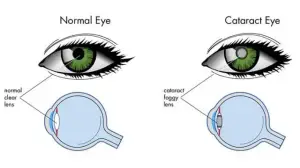
A cataract is a clouding of the eye's natural lens, which sits behind the iris and the pupil. The lens works much like a camera lens, focusing light onto the retina for clear vision. Over time, proteins in the lens can clump together, creating cloudy areas that prevent light from passing through clearly.
While most cataracts are related to aging, they can also be caused by injury, certain medications, or underlying health conditions like diabetes. At Dr.'s Eyecare Center, we provide comprehensive evaluations to detect cataracts early and guide you through the best treatment path.
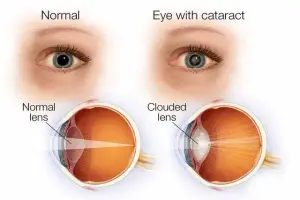
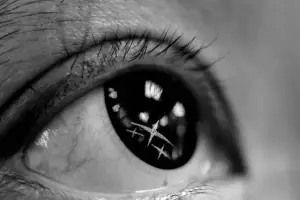
Common Cataract Symptoms
Cataracts typically develop slowly and may not affect your vision in the early stages. As they progress, you may notice:
- Cloudy, blurry, or dim vision
- Increasing difficulty with vision at night
- Sensitivity to light and glare
- Seeing "halos" around lights
- Frequent changes in eyeglass or contact lens prescriptions
- Fading or yellowing of colors
- Double vision in a single eye
Treatment and Intraocular Lenses (IOLs)
The only way to effectively treat cataracts is through surgery, where the cloudy lens is removed and replaced with an artificial intraocular lens (IOL). Modern cataract surgery is a safe, outpatient procedure with a high success rate.
Modern Lens Options
Today, patients have several options for replacement lenses depending on their lifestyle needs:
- Monofocal Lenses: These are set for a single focal point (usually distance) and are the most common choice.
- Multifocal and Accommodating Lenses: These advanced lenses can reduce or eliminate the need for reading glasses by providing vision at multiple distances.
- Toric Lenses: Specifically designed to correct astigmatism as well as cataracts.
Cataract Surgery Co-Management
At Dr.'s Eyecare Center, we work closely with the region's top ophthalmic surgeons to provide seamless cataract care. Our co-management process includes:
- Pre-Operative Care: We perform the initial diagnosis, discuss lens options, and refer you to a trusted surgeon.
- Post-Operative Care: After your surgery, you return to our office for follow-up appointments to monitor healing and ensure your vision is stable and clear.